
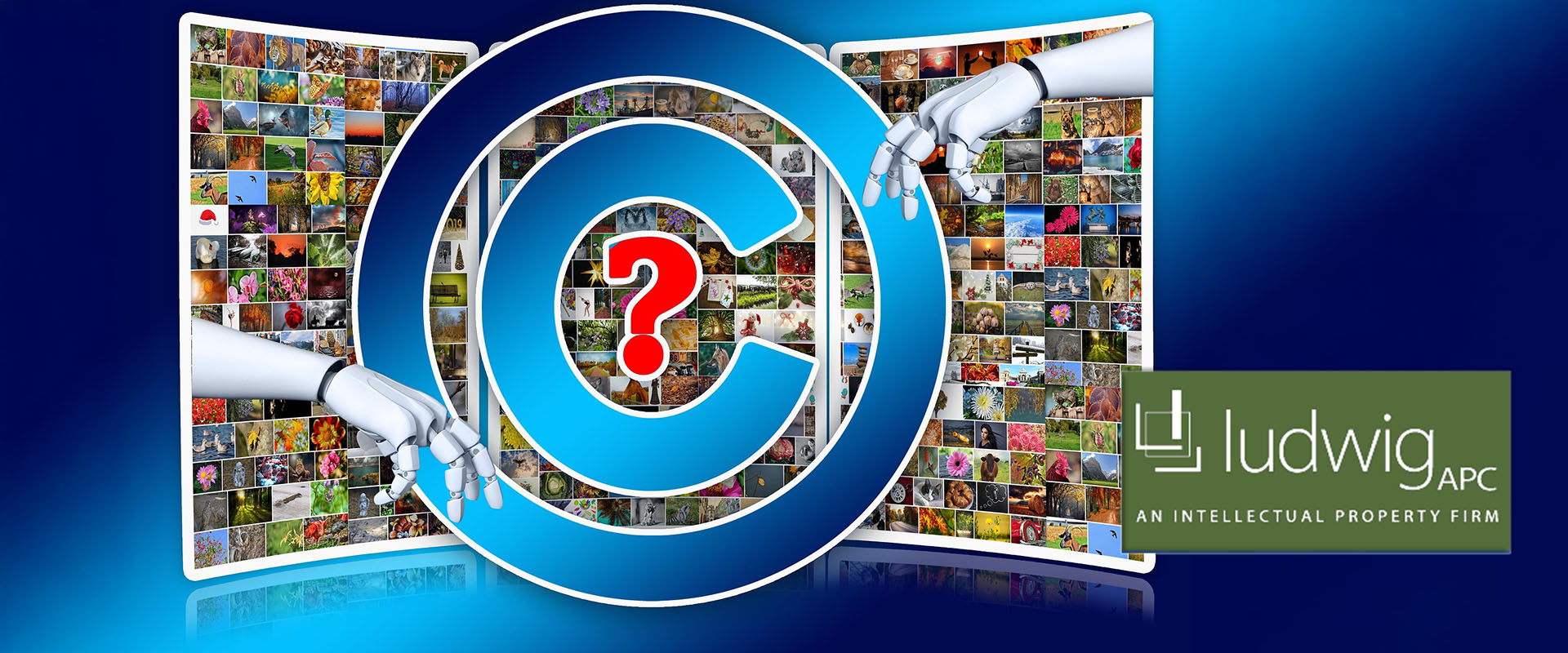
Intellectual property law is entering one of its most transformative periods … ever. As businesses and IP creators race to adopt artificial intelligence, automation, and digital content creation tools, courts are being asked to help decide foundational questions about ownership, authorship, and the limits of fair use. With so many fast‑moving IP developments, Ludwig APC is helping clients stay vigilant, informed, and proactive, ensuring they’re prepared not just to respond to change but to capitalize on it.
In 2026, several high‑profile IP disputes are expected to shape how creators, innovators, and businesses navigate technology and copyright issues going forward. Among them, a lawsuit against Midjourney by Disney, Universal, and other major studios stands out as a defining case.
Key Trends in IP Litigation Heading Into 2026
Before diving into the specifics of the Midjourney case, let’s take a quick look at broader trends currently shaping IP litigation.
AI Training Data Under the Microscope—Courts are increasingly being asked whether AI companies may lawfully train models on copyrighted works without permission. This question sits at the heart of multiple lawsuits across the country and will influence how AI tools are built, licensed, and commercialized.
Character and Franchise Protection Intensifies—Major entertainment companies are aggressively defending iconic characters, visual styles, and story universes. As generative AI tools make it easier to replicate distinctive creative elements, studios are pushing courts to clarify what constitutes infringement in relation to machine‑generated content. For example, if an indie studio releases a film that looks, feels, and functions as though it belongs in the Star Wars universe—but isn’t—how should courts evaluate whether that constitutes infringement.
The Rise of “Output Liability”—Here’s a new legal frontier to ponder: If an AI system produces an image that resembles a copyrighted character, who is responsible—the user, the platform, or both? For example, a small apparel brand uses an AI tool to design a cartoon animal mascot. The output ends up looking strikingly similar to an existing, trademarked character owned by a major studio. The legal issue: did the user “create” the infringement by prompting it, or did the platform create it by training on protected material? Courts are just beginning to wrestle with this question, and 2026 is expected to bring pivotal rulings.
Businesses Are Reassessing IP Risk—Companies across various industries—from entertainment to consumer goods to technology—are reevaluating how they protect their brands, data, and creative assets. As a result, litigation and pre-litigation strategy are becoming core components of competitive positioning.
Disney, Universal, & More v. Midjourney
Few cases capture the tension between innovation and IP protection as distinctly as the lawsuit filed by Disney, NBC Universal, DreamWorks, and other major studios against the AI image‑generation company Midjourney. Widely recognized as the first major AI copyright lawsuit brought by Hollywood giants, its outcome is expected to influence how creative industries interact with AI for years to come.
What the Case Is About
According to reporting from NBC News/CNBC, Disney and Universal allege that Midjourney used and distributed AI‑generated versions of characters from Star Wars, The Simpsons, Frozen, and other iconic franchises without authorization. The studios claim Midjourney ignored requests to stop generating images that replicated protected characters and visual elements.
A detailed analysis from ForensisGroup notes that the lawsuit challenges whether AI systems may lawfully rely on copyrighted visual materials during model training and whether AI‑generated outputs infringe protected characters or artwork.
NewsBreak further reports that the studios describe Midjourney as a “bottomless pit of plagiarism,” alleging that the platform has generated “countless” unauthorized copies of characters such as Darth Vader and Elsa.
Georgetown Law’s Institute for Technology Law & Policy emphasizes that this lawsuit represents a major escalation in Hollywood’s efforts to rein in the use of copyrighted material as training data by AI companies.
Why This Case Matters
This case could redefine what counts as copyright infringement. If courts determine that training on copyrighted images constitutes infringement, AI companies may face massive licensing obligations—or be forced to overhaul their models entirely.
This case tests the boundaries of character protection. Characters such as Darth Vader or Homer Simpson are not just drawings—they’re valuable assets. This case will help clarify how far protection extends when AI tools can generate near‑identical replicas.
This case may establish new rules for AI output liability. Who is responsible when an AI system generates an infringing image? The answer could reshape the entire generative AI industry and how people interact with it.
This case signals a new era of aggressive IP enforcement. Major studios are sending a clear message: they will not allow AI companies to build businesses on unlicensed use of their creative assets.
How Ludwig APC Can Help
We are living and working in an era defined by unprecedented technological change and high‑stakes litigation. IP creators and owners need more than legal advice—they need strategic guidance grounded in vigilance, foresight, and practical experience.
Ludwig APC supports clients by:
- Monitoring emerging IP cases and trends that may impact their industries.
- Advising on AI‑related IP risks, including training data, content creation, and brand protection.
- Developing proactive litigation and enforcement strategies to safeguard creative assets and market position.
- Helping innovators, creators, and businesses adapt to new legal standards as they emerge.
- Helping them respond quickly to threats, from unauthorized use of proprietary content to infringement by competitors or AI platforms.
Let’s Work Together: Global Experience, Personal Focus
As IP law enters one of its most consequential periods, we help clients make sense of fast-moving developments, understand how emerging rulings may affect their businesses, and respond strategically. Contact us today at (619) 929-0873 or consultation@ludwigiplaw.com to arrange a free consultation to discuss your needs.


